
Hot, smoking or sparking? Deal with that first
If a power point, switch or the switchboard is hot, smoking or smells of burning plastic, turn off the main switch if you can do it safely, and call 000 if there's smoke or fire. Shocks or sparking that might be coming from the supply go to TasNetworks on 132 004, any hour. A tingle from a tap or an appliance means stop using it until it's been checked.
Why faults show up in Launceston
Frosty nights, heavy loads
The temperature drops below 2 degrees on about 61 nights a year. Heat pumps, panel heaters and electric blankets running together are when a weak connection heats up or an overloaded circuit trips.
Older houses, altered in stages
Launceston is a major centre of Federation housing, with Newstead a well-known example, and many Victorian and Georgian buildings survive. Decades of additions can leave mixed wiring, loose terminations and circuits nobody has labelled.
Flood-prone pockets
In 2016, unprotected homes near the Tamar Yacht Basin, Newstead, St Leonards and Nunamara were inundated. Tasmania SES says damaged electrical systems shouldn't be switched back on until a licensed electrician has tested them.
Plenty of renters
33.8% of occupied homes in the council area were rented at the 2021 Census, so plenty of repairs involve a landlord or agent as well as the tenant.
What counts as licensed work in Tasmania
Tasmania makes all electrical work prescribed work, so it must be done by a licensed practitioner. Doing it unlicensed can cost an individual up to 200 penalty units. The regulations carve out a few tasks: plugging an appliance or lead into a socket, fitting a plug or socket to an extension cord, and repairing a plug-in appliance that runs at 250 volts or less.
In practice, a faulty heater can go to an appliance repairer. The scorched power point it was plugged into, the switch, the light fitting, the cable in the wall and anything in the switchboard are an electrician's job.
How a fault usually gets tracked down
Your account of it
Which switch dropped, what was running, the time of day and whether it was wet. A fault that only appears on cold evenings is a clue in itself.
Splitting the house into circuits
The electrician isolates circuits at the board to narrow down where the problem lives.
Testing the cable and connections
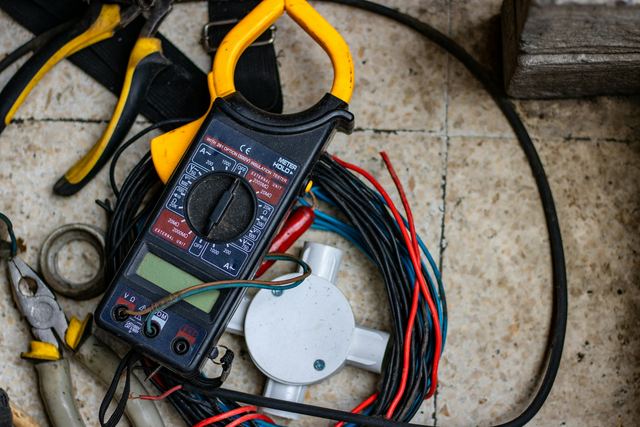
Insulation tests on the wiring, then the outlets, switches and junctions along the faulty circuit.
The repair, then a retest
A remade connection, a new fitting or a section of new cable, tested again before it's handed back.
The paperwork
Once the work is energised, you're given a copy of the record of the work in an approved form. The person responsible keeps their copy for at least 10 years.
Worth asking before they start
- How often do you do fault finding, and what will you test?
- If it doesn't show up today, what happens on the next visit?
- Is the problem in the wiring or in an appliance?
- Will I get a copy of the record of the work, and when?
- Can you show me what failed once it's out?

If it were our place in Launceston
We'd write down exactly when the trip happens, especially if it's cold evenings only, then unplug heaters one at a time to see whether one appliance is the culprit. If it's still happening, we'd book an electrician who does fault finding, and in an older house ask them to check the circuits the heating runs on while they're there.
Want a specialist to sort it?
Tell us the job and your postcode. We match the licence-checked local electrician who does this kind of work, and they call you. No ring-around, and your number goes to them alone.