
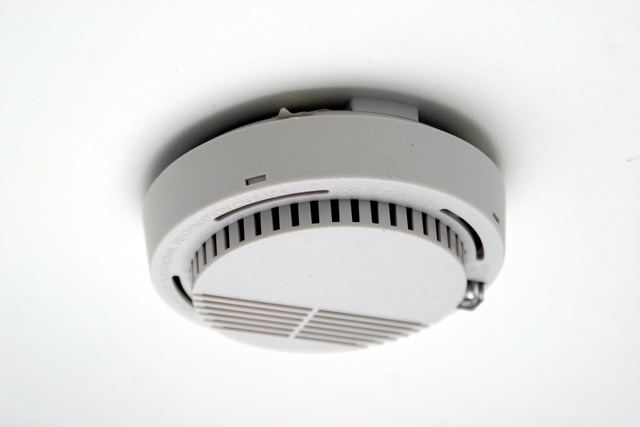
When WA's rules apply to a Perth home
The rules attach to the transaction. A home must have compliant alarms before ownership is transferred, and before it's rented or hired out, which takes in short stays as well as long leases. Owners who rent or hire out a home also have to keep each alarm working, connected and within its age limit for as long as it's let.
Local governments enforce these laws, and Perth is split into 30 of them. If something about your home doesn't fit the usual pattern, your council is the one to ask.
What makes a Perth smoke alarm job different
The 1 May 2015 line
Where a home has more than one alarm, they must be interconnected, so one sets off the rest. A home built under a permit applied for before 1 May 2015 is exempt from that part, which takes in established areas like Joondalup, where most growth came in the 1980s and 1990s.
Concrete ceilings and apartments
Battery-only alarms are allowed only where there's no hidden space to run mains wiring and no suitable other spot, such as a concrete ceiling, and they need a 10-year battery that can't be removed. That comes up in apartment areas like Fremantle, where 27.4% of occupied homes were flats or apartments in 2021.
Where they go in a house
In corridors serving bedrooms, or between the bedrooms and the rest of the home if there's no corridor, and on every storey without bedrooms.
Knock-down and rebuild
A buyer who plans to demolish can sign a statutory declaration so the seller doesn't have to fit alarms. The buyer then has six months from transfer to demolish, or must install the alarms.
Age and type
Alarms must be no more than 10 years old and within their expiry date. DFES says to replace every alarm at 10 years, mains-powered ones included, and recommends photoelectric.
Before settlement or a new lease, check each alarm
- Sounds when you press its test button.
- Is connected to the mains, unless it's a sealed 10-year battery unit in a spot where wiring genuinely can't go.
- Has a manufacture date under 10 years ago, and hasn't passed its expiry date.
- Sets off the others, if there's more than one and the permit was applied for on or after 1 May 2015.
- Is marked as meeting AS 3786.
- Sits where WA's rules put it: the corridors serving bedrooms, and every storey.
Your part, and the contractor's
You can
- Press each alarm's test button and note the date on its label.
- Vacuum the dust off the vents now and then.
- Tell the electrician roughly when the home was built, and whether it's being sold or let.
- Keep the paperwork from the install with the house documents.
Leave to a licensed electrician
- Connecting, disconnecting or moving any mains-powered alarm.
- Interconnecting alarms, by wiring or by a compatible wireless system.
- Running cable to new alarm positions in the ceiling.
- An Electrical Safety Certificate for new wiring work, within 28 days.

If we were selling in Perth
We'd check the dates on every alarm the day we decided to sell, not the week before settlement. Anything 10 years old, or with no readable date, gets replaced with a photoelectric mains alarm. If the home's permit is from 1 May 2015 or later and there's more than one alarm, we'd make sure they're interconnected. Then we'd book a licensed electrical contractor who does smoke alarm work every week and keep their paperwork with the sale documents.
Want a specialist to sort it?
Tell us the job and your postcode. We match the licence-checked local electrician who does this kind of work, and they call you. No ring-around, and your number goes to them alone.